
Table of Contents
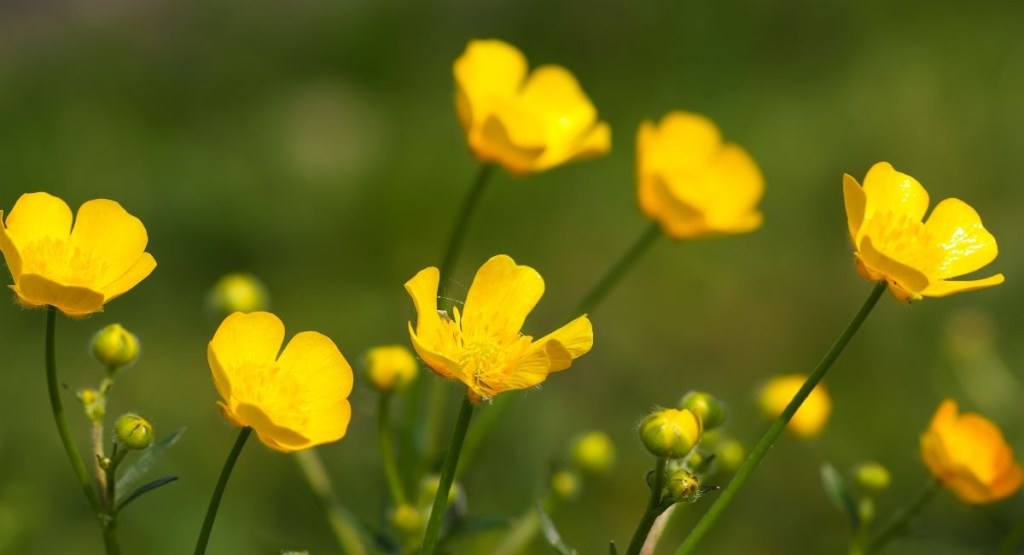
Yallingup sits on the western edge of the Leeuwin-Naturaliste Ridge, where more than 15,000 hectares of national park connects the Indian Ocean coastline to jarrah and karri forest inland. Between August and November each year, the coastal heath along these walking trails erupts into colour — spider orchids threading through low scrub, pink pimelea lining sandy paths, yellow buttercups covering entire hillsides, and banksia cones towering above the undergrowth. Around 80 per cent of the wildflower species that grow here are found nowhere else on earth.
This guide covers the best walking trails for spring wildflowers around Yallingup, what to expect on each walk, which species to look for, and how to plan a few days combining coastal walks with the food, wine, and art the region is known for.
| At a Glance | |
| Wildflower season | August to November (peak September–October) |
| Where to walk | Torpedo Trail, Quenda Trail, Wardanup Trail, Cape Naturaliste to Sugarloaf Rock, Smiths Beach to Canal Rocks |
| What blooms | Spider orchids, kangaroo paw, banksia, pimelea, clematis, wattle, donkey orchids |
| Spring weather | Daytime highs 17–23°C, overnight lows 9–14°C, decreasing rainfall |
| Key event | Margaret River Region Open Studios (12–27 September 2026) |
| National park entry | Leeuwin-Naturaliste National Park — free entry, no vehicle pass required |
Which Walks Have the Best Wildflowers?
Torpedo Trail — 3 km Loop, 1 Hour
The Torpedo Trail is the most accessible wildflower walk in Yallingup — a 3-kilometre loop starting from the Torpedo Rock carpark on Yallingup Beach Road. The trail winds through coastal heath where spring wildflowers are at their thickest, with views south to Smiths Beach and Canal Rocks and north across Yallingup township to Sugarloaf Rock.
The trail is rated Grade 3 (moderate), with some steep sections on a mix of sandy and sealed surfaces. It loops through peppermint woodland and open heathland where cockies’ tongues, fan-flowers, and beard-heaths grow alongside the showier orchid species. At the Slippery Rocks carpark, look for the bronze sculpture of Korrianne — a young Wadandi girl — created by Cerys Allerton in consultation with Wadandi Elder Sandra Hill.
Start: Torpedo Rock carpark, Yallingup Beach Road
Surface: Sandy and sealed, some steep sections with log steps
Facilities: General store in Yallingup township; public toilets at Smiths Beach carpark nearby
Quenda Trail — 4 km Loop, 1.5 Hours
The Quenda Trail runs a 4-kilometre loop between Rabbit Hill carpark and Smiths Beach, incorporating a section of the Cape to Cape Track along the coast. The trail passes through wildflower-filled dunes with open views across the Indian Ocean, then drops down past the granite outcrops at Torpedo Rock to Smiths Beach.
This is the walk to choose if you want coastal wildflowers and a beach in the same outing. The dune sections between Rabbit Hill carpark and the coast are where the spring display is most concentrated — kangaroo paw, wattle, and banksia grow thickly here, and spider orchids appear through the lower scrub from September.
Start: Rabbit Hill carpark or Smiths Beach carpark (loop works in either direction)
Grade: 3 (moderate) — soft and firm sand, steep hills and log steps near Torpedo Rock
Facilities: Public toilets and showers at Smiths Beach carpark
Wardanup Trail — 6.3 km Loop, 2–2.5 Hours
The Wardanup Trail is the longest of the Yallingup loop walks — a 6.3-kilometre circuit starting from Rabbit Hill carpark that covers the full range of terrain the Leeuwin-Naturaliste Ridge offers. The trail climbs through coastal heath with panoramic ocean views, crosses Wardanup Hill through peppermint forest, passes near Ngilgi Cave, and finishes with a sandy beach walk and an ascent back up to the carpark.
The variety of habitat means more wildflower diversity than any other single walk in the area. Coastal heath gives way to forest floor, where orchids grow beneath the canopy — flying duck orchids, king-in-his-carriage orchids, and the common donkey orchid all flower from September. Purple wistaria, red coral vine, and white clematis add colour to the forest sections.
Start: Rabbit Hill carpark, Yallingup
Grade: 3 (moderate) — varied terrain including beach, heath, hills, and forest
Best for: Walkers wanting wildflower diversity and a longer morning or afternoon out
Cape Naturaliste to Sugarloaf Rock — 3.4 km One Way, 1–1.5 Hours
This section of the Cape to Cape Track runs 3.4 kilometres from the Cape Naturaliste Lighthouse carpark south to Sugarloaf Rock. The first kilometre follows timber boardwalk through coastal heathland where wildflowers bloom in dense carpets during spring. The path is rated Class 2 (easy) and is accessible by pram and wheelchair for the boardwalk section.
The heathland here sits on exposed clifftops facing the Indian Ocean, and the wind-pruned vegetation stays low — meaning the wildflower display is right at eye level rather than hidden beneath a canopy. Red and green kangaroo paw, pink pimelea, yellow hibbertia, and white beard-heaths are the dominant colours. Between August and October, humpback and southern right whales pass close to shore along this stretch, so wildflower walks double as whale-watching opportunities.
Start: Cape Naturaliste Lighthouse carpark (15 minutes north of Yallingup)
Grade: Class 2 (easy) — timber boardwalk for the first kilometre, then well-formed track
Bonus: Whale watching from the clifftops, August to October
Smiths Beach to Canal Rocks — 2.5 km One Way, 1 Hour
The walk from Smiths Beach south to Canal Rocks follows the cliff edge and loops through coastal bushland with views over granite formations and turquoise water below. This section of the Cape to Cape Track is one of the most scenic short walks in the region and passes through scrubby heath where less common wildflower species grow.
Canal Rocks itself — a series of granite formations carved into channels by the ocean — makes a natural endpoint for the walk. A timber bridge spans the largest channel, giving a vantage point over the surging water below.
Start: Smiths Beach carpark
Grade: Moderate — clifftop path with some uneven sections
Return: Walk back the same way, or arrange a pick-up at Canal Rocks carpark
What Wildflowers Will You See?
The Leeuwin-Naturaliste Ridge sits within the South West Botanical Province, one of 36 global biodiversity hotspots. The variety of species here is extraordinary — the national park alone supports hundreds of flowering plants.
Coastal heath species (most walks): Pink pimelea, yellow buttercups (Hibbertia sp.), wattles (Acacia sp.), blue fan-flower (Scaevola sp.), white beard-heaths (Leucopogon sp.), red cockies’ tongues (Templetonia retusa), kangaroo paw, grevillea, and banksia — including holly-leaved banksia (B. ilicifolia) and candle banksia (B. attenuata).
Orchids (forest and sheltered sections): Spider orchids, flying duck orchids, king-in-his-carriage orchids, donkey orchids, jug orchids, and the Carbunup king spider orchid (Caladenia procera) — a species found only in this part of Western Australia. Orchids are most visible from September, though some species flower as early as August.
Climbing plants (forest sections, especially Wardanup Trail): Purple wistaria (Hardenbergia comptoniana), red coral vine (Kennedia coccinea), and white clematis (Clematis pubescens) — striking against the darker forest backdrop.
Wildflower season begins at the northern end of the capes near Busselton and moves south towards Augusta as spring progresses. September through October is typically the peak viewing window around Yallingup.
When Is the Best Time to Visit for Wildflowers?
Wildflower season in the Yallingup area runs from August to November, with peak flowering between September and late October. The timing shifts slightly each year depending on winter rainfall — wetter winters tend to produce earlier, more abundant displays.
August: Early-season blooms begin appearing, mostly in the heathland. Banksia and wattle are among the first to flower. Whale season overlaps — humpbacks and southern right whales are migrating north along the coast.
September: The peak begins. Orchid species start appearing in forest and sheltered areas. Coastal heath is in full display. The Margaret River Region Open Studios runs from 12 to 27 September 2026, with 154 artists opening their studios across the region — combine a morning wildflower walk with afternoon studio visits.
October: Orchids at their best, especially spider orchids and flying duck orchids in the forested sections of the Wardanup Trail. Temperatures are warming — daytime highs around 19–21°C make for comfortable walking conditions.
November: Late-season blooms. Fewer species in flower but still worth walking for. Temperatures reach 21–23°C and rainfall drops significantly.
What Is the Weather Like for Spring Walking?
Spring weather in Yallingup is mild and variable. Mornings can start cool with temperatures around 9–12°C, warming to comfortable walking conditions by mid-morning.
| Month | Average High | Average Low | Rainfall |
| August | 16–17°C | 9°C | ~130 mm |
| September | 17–18°C | 9–10°C | ~65 mm |
| October | 18–20°C | 10–12°C | ~40 mm |
| November | 21–23°C | 12–14°C | ~20 mm |
September and October offer the best balance — warm enough for comfortable walking, cool enough that you are not overheating, and the wildflowers are at peak bloom. Rain is still possible (this is the South West coast), so pack a light waterproof layer regardless of the forecast.
Mornings tend to be the best time for walking — the light is softer for spotting and photographing wildflowers, temperatures are pleasant, and coastal trails are less exposed before the afternoon sea breeze picks up.
What Should You Bring on a Wildflower Walk?
Every walk listed here is a day walk, not a multi-day trek, but the trails are in a national park and some cross exposed coastal terrain.
Pack: Full water bottle (at least 1 litre per person), sun protection (hat, sunscreen, sunglasses), a light waterproof layer for sudden showers, and sturdy shoes with grip — sandy paths and log steps can be slippery after rain. A camera or phone with a macro lens or close-up mode is worth having for orchid photography — many species are small and grow low to the ground.
Park entry: Entry to Leeuwin-Naturaliste National Park is free — no vehicle pass is required to access the walking trails. Cave tours within the park (Ngilgi Cave, Lake Cave, Jewel Cave) are run separately and have their own entry fees. Trail and park information is available from the WA Parks and Wildlife Service.
Pets and bikes: Not permitted on any of the trails listed here.
How Does Wildflower Season Fit into a Yallingup Trip?
Spring is one of the quieter seasons in the Margaret River region — summer crowds have not arrived yet, accommodation is easier to book, and the landscape is at its greenest and most colourful.
A three-night stay based in or near Yallingup gives enough time to walk two or three trails on different mornings and spend afternoons at cellar doors, galleries, or the coast. The Torpedo Trail and Quenda Trail are close enough to walk in a single morning with a lunch break at Smiths Beach between them. The Wardanup Trail fills a full morning on its own. The Cape Naturaliste walk is a short drive north — combine it with a visit to the Cape Naturaliste Lighthouse for views across Geographe Bay.
Visitors staying in Busselton or Dunsborough can reach Yallingup’s trailheads within 20–30 minutes. Those based further south in Margaret River are about 30 minutes from the northern trails.
Ngilgi Cave sits along the Wardanup Trail route — a limestone cave with guided tours running year-round. It makes a natural add-on to the Wardanup walk, especially on days when afternoon rain cuts the walking short.
Check the best times to visit South West WA for a broader seasonal planning view, or browse the best Margaret River beaches for coastal options on rest days. For families visiting the area, the Dunsborough family holiday guide covers activities beyond walking.
Planning a spring trip to Yallingup? Exclusive Escapes offers holiday accommodation across Yallingup, Busselton, and Dunsborough — perfectly placed for morning wildflower walks, afternoon cellar door visits, and evenings watching the sunset from the coast. Browse curated experiences to build a spring itinerary around wildflowers, wine, and coastal walks.
Frequently Asked Questions
When is wildflower season in Yallingup?
Wildflower season runs from August to November, with peak flowering in September and October. The display starts with banksia and wattle in August, peaks with orchids and heathland species in September–October, and tapers off through November. Timing varies slightly each year depending on winter rainfall — check with the Busselton or Margaret River visitor centre for current conditions before planning a trip specifically for wildflowers.
Which Yallingup walk is best for wildflowers?
The Wardanup Trail (6.3 km loop) offers the most wildflower diversity because it crosses coastal heath, peppermint forest, and sheltered gullies — each supporting different species. For a shorter walk, the Torpedo Trail (3 km loop) packs a concentrated heathland wildflower display into an hour. The Cape Naturaliste to Sugarloaf Rock walk (3.4 km one way) combines wildflowers with whale watching from August to October.
Are the Yallingup walking trails suitable for families?
The Cape Naturaliste to Sugarloaf Rock walk is the most family-friendly option — the first kilometre is timber boardwalk accessible by pram. The Torpedo Trail suits older children comfortable with some steep sections and uneven ground. The Wardanup Trail is best for families with children who are confident walkers, as the 6.3 km distance and varied terrain require moderate fitness.
Do you need to pay to walk in Leeuwin-Naturaliste National Park?
No. Entry to Leeuwin-Naturaliste National Park is free, and no vehicle pass is required to access the walking trails. Cave tours within the park (such as Ngilgi Cave) are run separately and have their own fees, but the trails themselves are free to walk.
What should you wear for a spring wildflower walk?
Layers work best. Spring mornings in Yallingup start around 9–12°C and warm to 17–23°C by midday. Wear sturdy shoes with grip (not thongs or sandals) — the trails cross sandy and rocky terrain that can be slippery after rain. Bring a light waterproof layer, sun protection, and at least 1 litre of water per person. Long trousers are useful on trails with overgrown sections, particularly after winter growth.