
Table of Contents
Cape Naturaliste delivers stunning landscapes that will make you stop mid-sentence and just stare.
This windswept headland marks the northern tip of the Leeuwin-Naturaliste Ridge, home to a 120-year-old lighthouse that’s become one of the Margaret River region’s most iconic attractions.
Within 15 minutes, you can climb inside the lighthouse in just 59 steps, walk boardwalks along clifftops, spot migrating whales from multiple lookouts, and explore pristine beaches that rarely feel crowded.
Let’s give you a front-seat view of the lighthouse, trails, and coastline that define this remarkable corner of the South West.
The Short Version
Cape Naturaliste marks the northern tip of the Leeuwin-Naturaliste Ridge, home to a historic lighthouse perched 100 metres above the Indian Ocean. You’ll find wheelchair-accessible coastal walks, migrating whales from September to December, and sweeping views across Geographe Bay. It’s a 15-minute drive from Dunsborough and makes for an unforgettable day exploring one of Western Australia’s most spectacular coastal spots.
How Do I Visit the Cape Naturaliste Lighthouse?
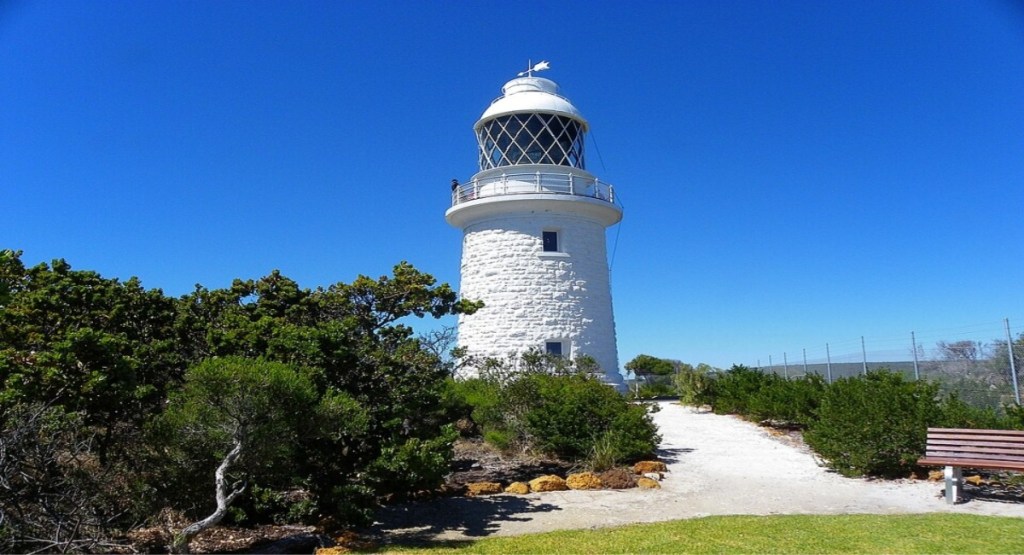
Photo source: Liese Coulter, CSIRO, CC BY 3.0 via Wikimedia Commons
The Cape Naturaliste Lighthouse offers guided tours daily from 9:30 am to 4:30 pm. You’ll pay around $16 for adults and $8 for children under 17. Groups are limited to 10 people per tour, so booking online beforehand guarantees your spot. The lighthouse stays open until 5:00 pm daily, except on Christmas Day.
The Lighthouse(20 meters high) was built in 1904 from local limestone quarried at nearby Bunker Bay and has protected ships for over 120 years.
The climb up 59 steps is surprisingly gentle compared to most lighthouses. At the top of the lighthouse, you’ll score breathtaking 360-degree views spanning the Indian Ocean, Leeuwin-Naturaliste National Park, and the full sweep of Geographe Bay. This elevated perspective is brilliant for spotting whales during migration season.
What Walking Trails Can I Explore at Cape Naturaliste?
Cape Naturaliste sits at the northern end of the renowned 123-kilometre Cape to Cape Track. But you don’t need to be a serious hiker to enjoy the trails here because several shorter walks showcase the best of the coastline in just an hour or two.
The Sugarloaf Rock Trail (3.5km, 1.5 hours return)
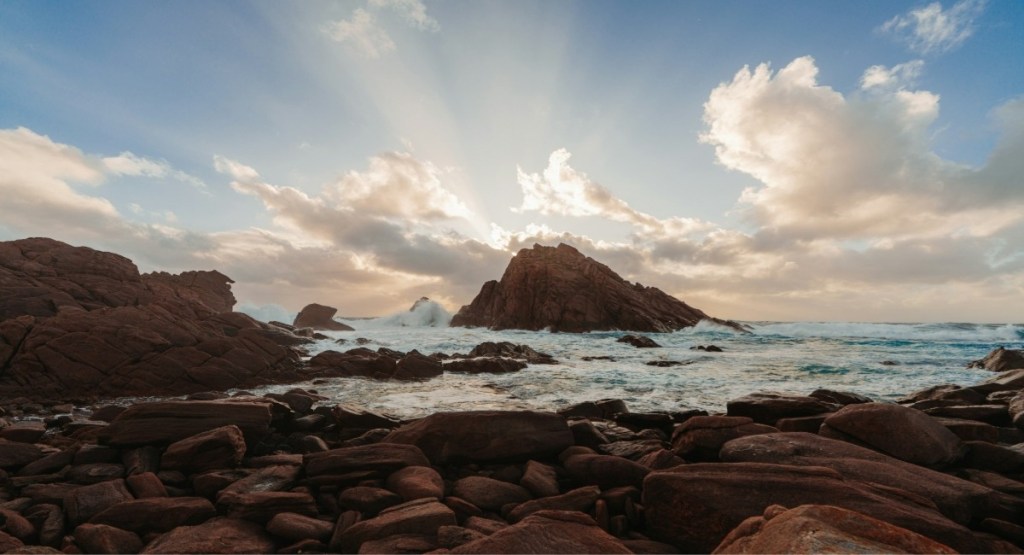
This wheelchair-accessible section of the Cape to Cape Track is genuinely world-class. The trail features over 1 kilometre of timber boardwalk and includes seats along the way where you can rest and soak in the views.
Sugarloaf Rock itself is a massive granite formation rising from the ocean. It’s a designated nature reserve where red-tailed tropic birds nest from September to February. You might even spot bottlenose dolphins playing in the surf or whales cruising past during migration season. Sunset here is absolutely magical, with the rock silhouetted against golden skies.
Whale Lookout Walk (2.4km, under 1 hour return)
This is the shortest and most popular trail from the lighthouse. The track leads to a clifftop lookout with interpretive panels about the whales that migrate along this coast. A spur boardwalk takes you down to another lookout perched on the outer cliff edge for even better viewing.
During whale season(June-December), you can watch for the distinctive spouts and tail flukes of humpback, southern right, blue, and minke whales.
Cape Naturaliste Circuit Loop (3.8km, 1.5-2 hours)
This loop takes you nearly to the tip of the cape with spectacular views the whole way. The trail follows the coastal heath through wildflower displays in spring and offers multiple vantage points for ocean gazing. You can extend your walk by dropping down to Shelley Cove at the eastern end.
The trails here connect seamlessly, so you can mix and match based on your energy level and time. Families often start with the Whale Lookout, then decide if they want to continue to Sugarloaf Rock.
After exploring these coastal trails, you’ll want a comfortable base nearby. 5-star Eagle Bay and Bunker Bay accommodations are just 5-10 minutes away.
When Is the Best Time to See Whales at Cape Naturaliste?
Cape Naturaliste’s unique location offers a six-month whale-watching season from late May to early December, with opportunities to view humpback, southern right, blue, and minke whales on both their northern and southern migrations.
However, October hits the sweet spot. This is when you might encounter all four whale species in a single visit. The endangered pygmy blue whale, which feeds in the nearby Perth Canyon, passes through during this time. Southern right whales use Geographe Bay as nursery grounds, so you could witness mothers training their calves.
How to Make the Most of Whale Season
September kicks off the southern migration with energetic displays as whales prepare for their long journey to Antarctica. Humpbacks are especially acrobatic, breaching and tail-slapping with impressive frequency. November still delivers brilliant sightings, though numbers taper off toward the end of the month.
For land-based viewing, arrive early in the morning or late in the afternoon when whales are most active. Several tour operators like Naturaliste Charters and All Sea Charters run whale watching cruises from nearby Dunsborough, offering close encounters you can’t get from shore. Most companies guarantee whale sightings, or you get a free return tour.
Wildflowers and Seasonal Changes

Spring (September to November) brings another spectacular show alongside the whales. Native wildflowers carpet the coastal heath in a riot of colour. You’ll see basket bush, coastal honeymyrtle, Dampier’s rose, and dozens of other species.
Winter (June to August) offers dramatic storm watching from safe lookouts, with massive swells crashing against the cliffs. In comparison, Summer (December to February) brings warm weather perfect for combining your Cape visit with beach time at nearby bays.
What Other Attractions Surround Cape Naturaliste?
Let’s look at some nearby beaches and natural attractions that surround Cape Naturaliste.
Bunker Bay Beach (5 minutes)
Limestone cliffs rising from crystal-clear water create a dramatic backdrop at Bunker Bay. The calm, protected waters are brilliant for snorkelling because they stay clear for most of the year. Even beginners will spot colourful fish darting between rocks. The beach offers excellent swimming, and the grassed areas behind the sand are perfect for picnics.
Eagle Bay (7 minutes)
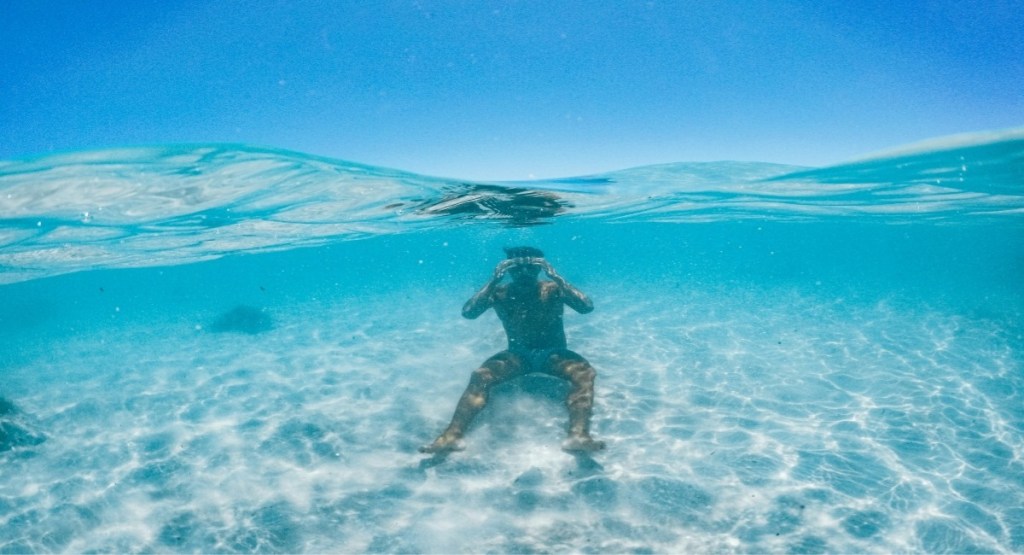
This expansive stretch of sand gives you space to find your own corner of paradise. The gentle swimming conditions suit families, and the beach rarely feels crowded. After your swim, Eagle Bay Brewing Co. is right there for a cold drink and quality food overlooking the water.
Meelup Beach (15 minutes)
When Lonely Planet named the Margaret River region the number one destination in the Asia Pacific, they specifically described Meelup’s water like “the hue of a Bombay Sapphire gin bottle.” The shallow, calm waters at Meelup Beach are perfect for kids, while the powdery white sand and BBQ facilities make it ideal for a full day out.
Staying in Dunsborough accommodation gives you a perfect base for exploring Cape Naturaliste and all these nearby attractions. In addition, Yallingup accommodation puts you in a comfortable position to explore the southern coastal region.
How Do I Get to Cape Naturaliste and What Should I Bring?
From Dunsborough, follow Cape Naturaliste Road north for about 13 kilometres. The drive itself is scenic, winding through coastal bushland with occasional glimpses of the ocean. You’ll reach a large car park at the lighthouse with plenty of space, including accessible parking bays.
The drive from Perth takes about 2.5 to 3 hours (255 kilometres); from Busselton, it’s about 35-40 minutes. The entry to Leeuwin-Naturaliste National Park is free, with toilets available at the lighthouse precinct.
What to Pack for Your Visit
Sun protection is essential year-round. The coastal location means strong UV exposure even on cloudy days. Make sure to pack your sunscreen, a hat, and sunglasses. Walking shoes with good grip are also important for trails, though the main boardwalk sections accommodate regular footwear.
Furthermore, bring plenty of water, especially for longer walks or summer visits, because the exposed coastal heath offers minimal shade. Binoculars will significantly enhance whale watching and bird spotting.
Facilities and Accessibility
The lighthouse visitor centre offers refreshments and souvenirs. Clean toilet facilities are also available at the main car park. And Mobile phone reception is generally good at Cape Naturaliste.
Where Should I Stay Near Cape Naturaliste?
Your choice of accommodation base depends on what you’re after. Each nearby area offers different advantages for exploring the cape and wider region.
Eagle Bay & Bunker Bay: Closest Proximity (5-10 minutes)
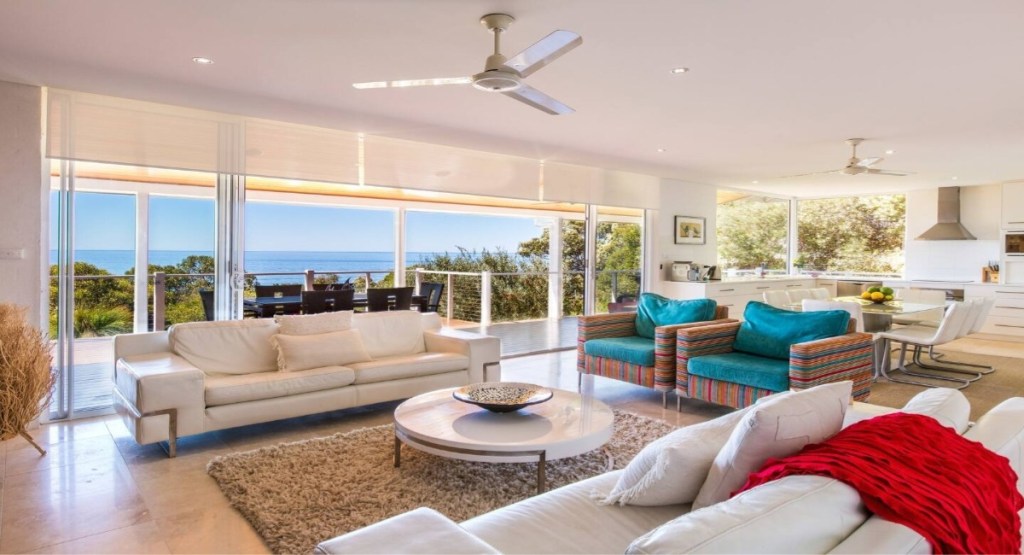
These twin bays are the closest to Cape Naturaliste, so it’d be preferable if the lighthouse and coastal walks are your main focus. You’ll have two of the region’s finest beaches on your doorstep, plus the Pullman Bunker Bay Resort’s excellent restaurant.
Morning visits to the cape mean you beat the crowds and capture the best light. Evening returns let you watch the sunset at Sugarloaf Rock, then be back at your accommodation in minutes. Our luxury Eagle Bay and Bunker Bay properties range from beachfront villas to intimate coastal retreats.
Dunsborough: Town Amenities (10-15 minutes)

Dunsborough gives you the perfect balance of proximity to Cape Naturaliste and access to shops, restaurants, and other services. The town has excellent cafes for pre-hike breakfast, supermarkets for picnic supplies, and diverse dining options for dinner.
You’re also well-positioned to explore other attractions in the region. Meelup Beach, Ngilgi Cave, and numerous Margaret River wineries are all within easy reach. Dunsborough accommodation includes everything from family-friendly homes to luxury beachfront properties.
Yallingup: Surf Coast Alternative (15-20 minutes)

Yallingup offers a different vibe with its famous surf breaks, art galleries, and slightly more secluded feel. You’re still close enough to Cape Naturaliste for easy day trips while enjoying access to Canal Rocks, Injidup Natural Spa, and pristine Yallingup Beach.
This location works beautifully if you’re hiking the Cape to Cape Track and want to experience both ends of the northern section. Yallingup accommodation provides excellent options for couples and families seeking a quieter coastal escape.
Start Planning Your Cape Naturaliste Escape
Cape Naturaliste delivers accessible beauty without needing specialist gear or extreme fitness. The lighthouse tours reveal fascinating maritime history. Trails suit every ability level. During whale season, you might witness nature’s greatest show from land or sea.
With nearby beaches, walking trails, and the wider Margaret River region on your doorstep, you have endless options. Find your ideal luxury accommodation near Cape Naturaliste and book your coastal getaway today. Our local expertise ensures your Western Australian escape exceeds expectations.
Frequently Asked Questions
Is Cape Naturaliste Lighthouse open to visitors?
Yes, Cape Naturaliste Lighthouse is open daily from 9:00 am to 5:00 pm, with guided tours departing every hour from 9:30 am to 4:30 pm.
How long does the Cape Naturaliste walk take?
The shortest walk (Whale Lookout) takes under an hour return and covers 2.4 kilometres. The popular Sugarloaf Rock trail is 3.5 kilometres (1.5 hours return). The Cape Naturaliste Circuit Loop covers 3.8 kilometres and takes 1.5-2 hours. You can choose a trail based on your available time and fitness level.
When is the best time to see whales at Cape Naturaliste?
Whale watching season runs from late May to early December, with October being the peak month when you might spot humpback, southern right, blue, and minke whales. September through November offer the best overall conditions for whale watching, as thousands of whales migrate along the coast during this period.
Is there an entry fee for Cape Naturaliste?
Entry to the Leeuwin-Naturaliste National Park and the Cape Naturaliste area is free. You only pay if you take a guided lighthouse tour. Parking is also free at the main car park near the lighthouse, with accessible parking bays available.